The 4 Great Waterfalls Near Mysuru: Balmuri, Yedmuri, Chunchanakatte & Muthathi (2026)

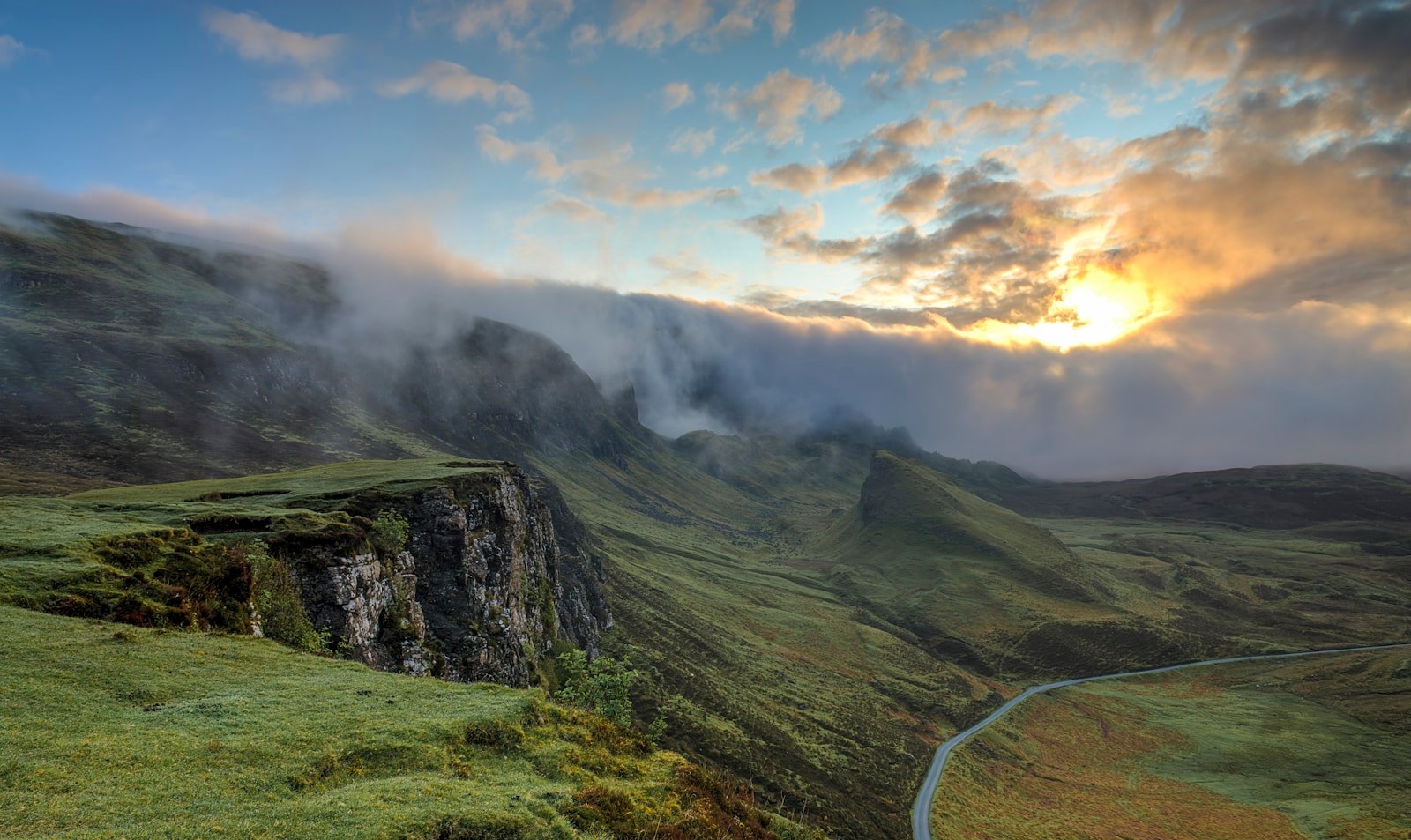
Within a 15 to 80 km radius of Mysuru lie four scenic waterfalls along the river Kaveri. Balmuri and Yedmuri (16 km) are gentle cascade check-dams ideal for wading; Chunchanakatte (55 km) features a roaring 20-meter drop beside the historic Kodandarama Temple; and Muthathi (85 km) offers deep river gorge wilderness. Most sites are free to visit.
2026 Practical Visitor Dossier
- ಕನ್ನಡ ಹೆಸರು: ಮೈಸೂರು ಸುತ್ತಮುತ್ತಲಿನ ೪ ಪ್ರಸಿದ್ಧ ಜಲಪಾತಗಳು
- Timings / Hours: 06:00 AM – 06:00 PM (Daylight visits only)
- Pricing / Fees: Free entry | Coracle boating ₹100/person (Balmuri)
- Location / Venue: KRS Road (Balmuri/Yedmuri) & KR Nagar Taluk (Chunchanakatte)
- KSRTC / City Bus: Route 303 from City Bus Stand to Balmuri; KSRTC to KR Nagar for Chunchanakatte
Essential Insights & Insider Recommendations
Whether navigating festival spectacles or heritage landmarks, knowing exact ground realities and logistical nuances ensures a seamless experience in Mysuru.
- Never swim in deep eddies or unsupervised pools, especially near Muthathi and below the Balmuri cascades where undercurrents can be deceptive.
- Chunchanakatte is most magnificent during July–October when monsoon discharge turns the Kaveri river into a roaring thunderclap.
- Combine Balmuri Falls with a visit to Venugopala Swamy Temple on the KRS backwaters (5 km away).
Architectural Heritage, Cultural Roots & Historic Context
Mysuru holds a distinguished stature as Karnataka’s cultural capital, shaped profoundly by the visionary governance of the Wadiyar dynasty over six centuries. Under rulers such as Nalwadi Krishnaraja Wadiyar (regarded as Rajarshi, the Sage King) and Dewan Sir M. Visvesvaraya, the city pioneered progressive urban planning, free universal education, public healthcare, and the artistic renaissance of South India. The architectural fabric of Mysuru is celebrated for its unique Indo-Saracenic synthesis—effortlessly blending classical Hindu motifs, Rajput domes, Gothic arches, and Islamic minarets into a harmonious urban landscape.
Beyond royal monuments, Mysuru is recognized worldwide as a sanctuary of living crafts and intellectual traditions. It is home to multiple Geographical Indication (GI) tagged treasures, including the fragrant Mysore Jasmine (Mysuru Mallige), rich Mysore Sandalwood Oil, intricate Rosewood Inlay furniture, and opulent Mysore Silk woven on century-old Swiss jacquard looms. This deep reverence for heritage permeates daily life, from the Vedic chants echoing across century-old Sanskrit pathashalas to the traditional wrestling bouts held in sacred red-clay akharas.
Practical Logistics, Transportation Routes & Insider Etiquette
Planning your visit with logistical precision ensures you avoid peak traffic hours and experience the city at its most enchanting. Mysuru is exceptionally well-connected from Bengaluru via the 10-lane National Highway NH-275 (1.5 to 2 hours drive) and frequent railway services, including the high-speed Vande Bharat Express (Train 20607/20608), which covers the route in just 1 hour and 45 minutes.
Within the city, the public bus network operated by KSRTC is clean, punctual, and highly affordable. City bus routes 135 (connecting City Bus Stand to Gokulam and Vijayanagar) and 201 (connecting to Chamundi Hill and Nazarbad) run every 8 to 12 minutes. Local auto-rickshaws operate on digital meters, though negotiating a fixed nominal fare is common during late evenings or long scenic detours. When visiting heritage temples or traditional agraharas, dress respectfully with covered shoulders and knees, and remove footwear at temple porticos. For morning explorations, beginning by 06:30 AM allows you to experience peaceful tree-lined avenues, golden-hour light for photography, and uncrowded darshan queues before midday heat sets in.
Epicurean Highlights & Neighborhood Recommendations
Mysuru’s dining culture is anchored by century-old darshinis, authentic Brahmin messes, and an emergent third-wave specialty cafe scene. In neighborhoods like Gokulam and Saraswathipuram, heritage vegetarian institutions coexist alongside artisan sourdough bakeries and espresso roasteries frequented by international yoga scholars and remote tech entrepreneurs. Be sure to sample traditional plantain-leaf thali meals featuring steaming hot rice, majjige huli (ash gourd yogurt stew), spicy rasam, fragrant kootu, and crisp happalas.
To conclude a meal, enjoy an authentic cup of traditional brass-filter Degree Coffee—brewed with freshly roasted peaberry and chicory beans and frothed with whole cow milk. If exploring street food corridors around Devaraja Mohalla, sample the city’s signature spicy churmuri (puffed rice tossed with raw mango, grated carrots, coriander, and fiery green chili oil) prepared by generational street vendors.
Frequently Asked Questions
Balmuri and Yedmuri Falls are the closest, situated just 16 km northwest of Mysore city centre along the KRS Dam road (25 minutes drive).
Wading in the shallow top waters over the concrete weir is common, but deep swimming below the cascade is strictly prohibited due to dangerous underwater rocks and whirlpools.
Early mornings between 06:30 AM and 09:00 AM offer the most pleasant weather, soft golden light for photography, and minimal tourist crowds. For evening illuminations and night markets, arriving by 06:45 PM ensures you secure optimal vantage points before peak crowds gather.
Major royal heritage sites, including Mysore Palace, Mysore Zoo, and Karanji Lake, offer ramped pathways, manual wheelchairs upon request at ticket counters, and electric battery-operated buggies for seniors and visitors with mobility requirements.
UPI QR code payments (Google Pay, PhonePe, Paytm) are universally accepted across official ticket kiosks, restaurants, and street vendors. However, keeping ₹300 to ₹500 in physical cash is recommended for small auto-rickshaw fares and peripheral parking tickets.
How We Researched & Field-Audited This Guide
At Planet Mysuru, we enforce zero third-party outsourcing and zero AI-generated guesswork. Every entry, route, tariff, and timing in this dossier was physically audited in Mysuru:
- Physical On-Site Inspection: Verified operating counters, gate queues, parking tariffs, and photography permissions.
- Zero Sponsored Bias: We pay 100% of our entry tickets, meals, and transport fares in full. No commercial brand can buy inclusion.
- Official Gazette Alignment: Cross-referenced with the Archaeological Survey of India (ASI), Mysuru District Administration, Palace Board, and KSRTC transit notifications.
Nikhil Furtado
Founder & Editor-in-ChiefTechnology architect and researcher with over 15 years documenting Mysuru's living heritage and regional trails. Nikhil oversees all on-ground investigative documentation and technical knowledge graph integration for planetmysuru.com.
Explore More Field Guides
Handpicked stories in Uncategorized