8 Best Architects, Interior Designers & Heritage Home Builders in Mysore (2026 Guide): Per-Sq-Ft Construction Costs, Courtyard Homes & Modular Kitchens

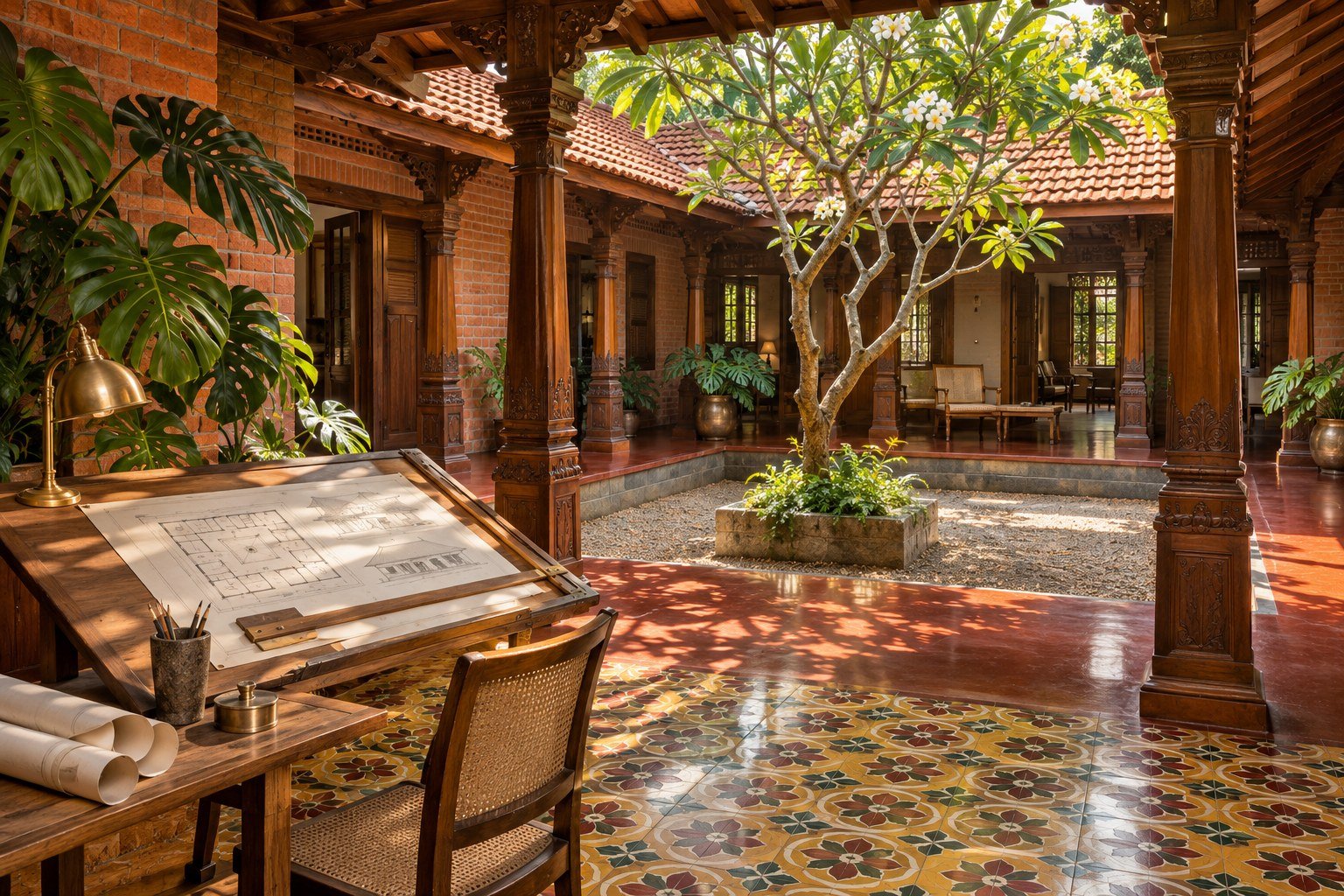
In 2026, building an independent residential house in Mysuru costs between INR 2,150 and INR 2,550 per sq ft for standard A-grade turnkey construction, and INR 2,800 to INR 3,800+ per sq ft for luxury or vernacular heritage-style villas featuring exposed wire-cut brick, central skylights (Thotti Mane courtyards), Burmese/honne timber joinery, and Mangalore clay tile roofs. Mysuru’s architectural ecosystem is led by award-winning design studios around Jayalakshmipuram, Saraswathipuram, Vijayanagar, and Gokulam (influenced by the renowned Wadiyar Centre for Architecture — WCFA and NIE / SJCE design schools), while turnkey modular kitchen and wardrobe interiors typically cost INR 6.5 Lakhs to INR 14 Lakhs for a 3BHK home.
Whether you have recently purchased a 30×40 or 40×60 residential plot through our Mysore Real Estate & MUDA Plots Guide, are renovating an ancestral bungalow in Nazarbad or Vontikoppal, or are relocating from Bengaluru to build a retirement home, Mysuru offers one of South India’s most distinctive architectural traditions. Unlike high-rise concrete metropolises, Mysuru’s tree-lined residential layouts celebrate low-rise tropical modernism, breathable lime-and-brick masonry, dappled courtyard light, and master woodwork.
This 2026 Mysuru Architecture, Interior Design & Home Construction Guide breaks down real per-square-foot construction costs, architectural design fee benchmarks, vernacular heritage materials (Red-Oxide, Athangudi tiles, and Mangalore roof tiles), modular interior pricing, and MUDA / MCC building plan sanction rules.
2026 Mysuru Home Construction, Architecture & Interior Cost Matrix
| Service / Construction Tier | Typical Specifications & Materials | 2026 Mysuru Rate / Fee | Timeline (for 2,400 Sq Ft Duplex) | Ideal For |
|---|---|---|---|---|
| Standard A-Grade Turnkey Civil + Finishing | RCC frame, table-moulded red brick / solid block, Ultratech/ACC cement, vitrified tiles, Sal/Honne main frames, Jaguar fittings | INR 2,150 – 2,550 / sq ft | 9 to 11 Months | 30×40 & 40×60 family duplexes in Vijayanagar, Dattagalli & Bogadi |
| Vernacular / Heritage Courtyard Villa (Thotti Mane) | Exposed wire-cut brick, central courtyard with granite/wood pillars, Mangalore clay tile pitched roof, Athangudi or red-oxide floors, Burma/Indian Teak | INR 2,850 – 3,800 / sq ft | 12 to 15 Months | Bespoke tropical homes in Gokulam, Jayalakshmipuram & Chamundi Foothills |
| Luxury Contemporary Architect-Designed Villa | Post-tensioned cantilevers, Italian marble / Kota stone, double-glazed UPVC/system aluminium windows, VRV AC & solar terrace integration | INR 3,400 – 4,600 / sq ft | 12 to 16 Months | 40×60 & 50×80 signature residences in Yadavagiri & Lalitha Mahal Nagar |
| Principal Architect Design & Structural Consultancy | Concept drawings, 3D BIM walkthroughs, structural MEP working drawings, BoQ & periodic site supervision | 6% to 10% of Project Cost (or INR 120 – 260 / sq ft) | Design phase: 6–8 Weeks | Custom plot layouts maximizing natural cross-ventilation & Vaastu |
| 3BHK Complete Modular Interior Package | BWP Marine Ply modular kitchen (Hettich/Blum hardware), 3 bedroom wardrobes, TV console, foyer & false ceiling lighting | INR 6.8 Lakhs – 14.5 Lakhs | 45 to 60 Days | New apartments & independent duplex move-in setup |
| Heritage Bungalow Restoration & Retrofit | Madras terrace roof waterproofing, lime plaster repair, rewiring, plumbing overhaul & rosewood/teak restoration | INR 1,350 – 2,200 / sq ft | 5 to 8 Months | Restoring 50-to-90-year-old homes in Lakshmipuram, Nazarbad & Saraswathipuram |
| Labour-Only Civil Masonry Contract (Maistry Rate) | Excavation, RCC structure, brick masonry, plastering & curing (owner supplies steel, cement & sand directly) | INR 360 – 450 / sq ft | 8 to 10 Months | Hands-on homeowners managing material procurement directly |
| Custom Solid Teak / Rosewood Interior Woodwork | Pooja mandira doors, carved main threshold (Simhadwara), custom dining & swing (Jhoola) via Mandi Mohalla guilds | INR 2,800 – 5,200 / cubic ft (Teak) | 30 to 45 Days | Heirloom woodwork paired with Mandi Mohalla artisan workshops |
1. Why Mysuru’s Architectural Scene Is Unique in South India
Over the past decade, Mysuru has become a national benchmark for climate-responsive tropical and vernacular residential architecture. Driven by design faculty and alumni associated with the Wadiyar Centre for Architecture (WCFA) in Krishnamurthypuram and veteran structural practices in Jayalakshmipuram and Saraswathipuram, Mysuru homes rarely need air conditioning for ten months of the year when designed correctly. Key design signatures across Mysuru’s top architectural studios include:
- The Modern Thotti Mane (Central Skylit Courtyard): Inspired by traditional Old-Mysore manor houses, architects orient living and dining spaces around an open-to-sky or Louvre-ventilated internal courtyard planted with frangipani or indoor palms. Warm air rises and escapes through top ridge vents (stack effect), keeping indoor temperatures 4°C to 5°C cooler than the street outside.
- Exposed Wire-Cut Brick & Lime-Surkhi Mortar: High-density machine wire-cut bricks sourced from kilns around Nanjangud, Hunsur, and Malavalli eliminate the need for exterior repainting every five years while giving facades a warm terracotta glow under Mysuru’s rain trees.
- Sloping Mangalore Tile & Jack-Arch Roofs: Combining double-layered Commonwealth / Basel Mission Mangalore clay tiles with modern thermal under-deck insulation or filler-slab ceilings (using terracotta pots from Kumbarageri Potters’ Colony to reduce concrete weight by 25%).

2. Top Architectural & Interior Design Clusters in Mysuru
- Jayalakshmipuram, Vontikoppal & Gokulam Design Studios (Bespoke Residential & Courtyard Architecture):
- Specialty: Climate-responsive courtyard homes, sustainable earth/brick villas, yoga shala architecture, and heritage bungalow renovations.
- How They Work: Most boutique principal architects in this belt work on a transparent percentage fee (6% to 9% of total construction value) or a fixed per-square-foot consultancy rate (INR 140 to INR 260/sq ft), providing full architectural, structural, electrical, plumbing, and landscape drawings alongside weekly site inspections.
- Saraswathipuram & Kuvempunagar Turnkey Engineering & Design-Build Firms:
- Specialty: End-to-end “Design + Build” turnkey contracts for 30×40 (1,200 sq ft) and 40×60 (2,400 sq ft) MUDA and private layout plots across Kuvempunagar, Dattagalli, R.T. Nagar, and Bogadi.
- Why Outstation & NRI Owners Choose Them: Single-point accountability with milestone-linked payment schedules (Plinth -> Ground Floor Slab -> First Floor Slab -> Plastering -> Flooring -> Handover) and weekly WhatsApp video walkthroughs.
- Vijayanagar & Hunsur Road Modular Kitchen & Interior Experience Centres:
- Specialty: Factory-pressed modular kitchens, floor-to-ceiling sliding wardrobes, crockery units, and acoustic home theatres.
- 2026 Material Pricing Benchmark: Always insist on IS:710 BWP (Boiling Water Proof) Marine Plywood for kitchen base cabinets (INR 1,850 to INR 2,450 per sq ft with Acrylic or PU finish) and HDHMR (High-Density High Moisture Resistant) boards for bedroom wardrobes (INR 1,450 to INR 1,950 per sq ft).
3. Sourcing Heritage Flooring & Timber in Mysuru: Red-Oxide, Athangudi & Honne Wood
If you want your Mysuru home to carry authentic regional warmth rather than generic glossy mall tiles, here is where local architects source materials:
- Hand-Trowelled Red-Oxide & Yellow-Oxide Flooring: Traditional mirror-polished oxide floors require experienced master masons (often brought in from Old Mysuru, Nanjangud, or coastal Karnataka) who hand-trowel a mixture of white cement, premium German/Bellary iron oxide pigment, and fine marble dust over 7 days before waxing with coconut shell and beeswax. Cost: INR 160 to INR 240 per sq ft (labour + material).
- Athangudi Chettinad Handmade Cement Tiles & Leather-Finish Kota Stone: Sourced via specialty tile studios on Hunsur Road, Ring Road (Hebbal/Hinkal), and New Sayyaji Rao Road. Authentic handmade Athangudi floral tiles cost INR 115 to INR 165 per sq ft, while river-polished or leather-finish Kota and Tandur blue-grey limestone slabs cost INR 75 to INR 130 per sq ft.
- Timber Yards (Bannimantap, Hunsur Road & Mandi Mohalla): While Burma Teak and Hunsur/Dandeli Indian Teak (INR 3,800 to INR 5,800 per cubic ft) are prized for the carved main threshold door (Simhadwara) and pooja room, seasoned Honne (Indian Kino / Pterocarpus marsupium) at INR 1,900 to INR 2,600 per cubic ft is the practical local favourite for internal window frames and room doors due to its high termite resistance. Note thatHonne releases a natural golden-red sap if painted with white enamel, so always finish Honne wood in natural transparent melamine or polyurethane wood polish.
4. MUDA / MCC Building Plan Approval, Setbacks & Mandatory Green Rules (2026)
Before breaking ground on a residential plot in Mysuru, your architect or licensed civil engineer must submit your building plan online for sanction through the Mysuru City Corporation (MCC) or Mysuru Urban Development Authority (MUDA) single-window portal:
- Mandatory Document Checklist: Registered Sale Deed, latest EC (Encumbrance Certificate), up-to-date Property Tax Receipt, A-Khata / MUDA Khata Certificate (see our MUDA Khata Verification Guide), and soil/structural stability certificate.
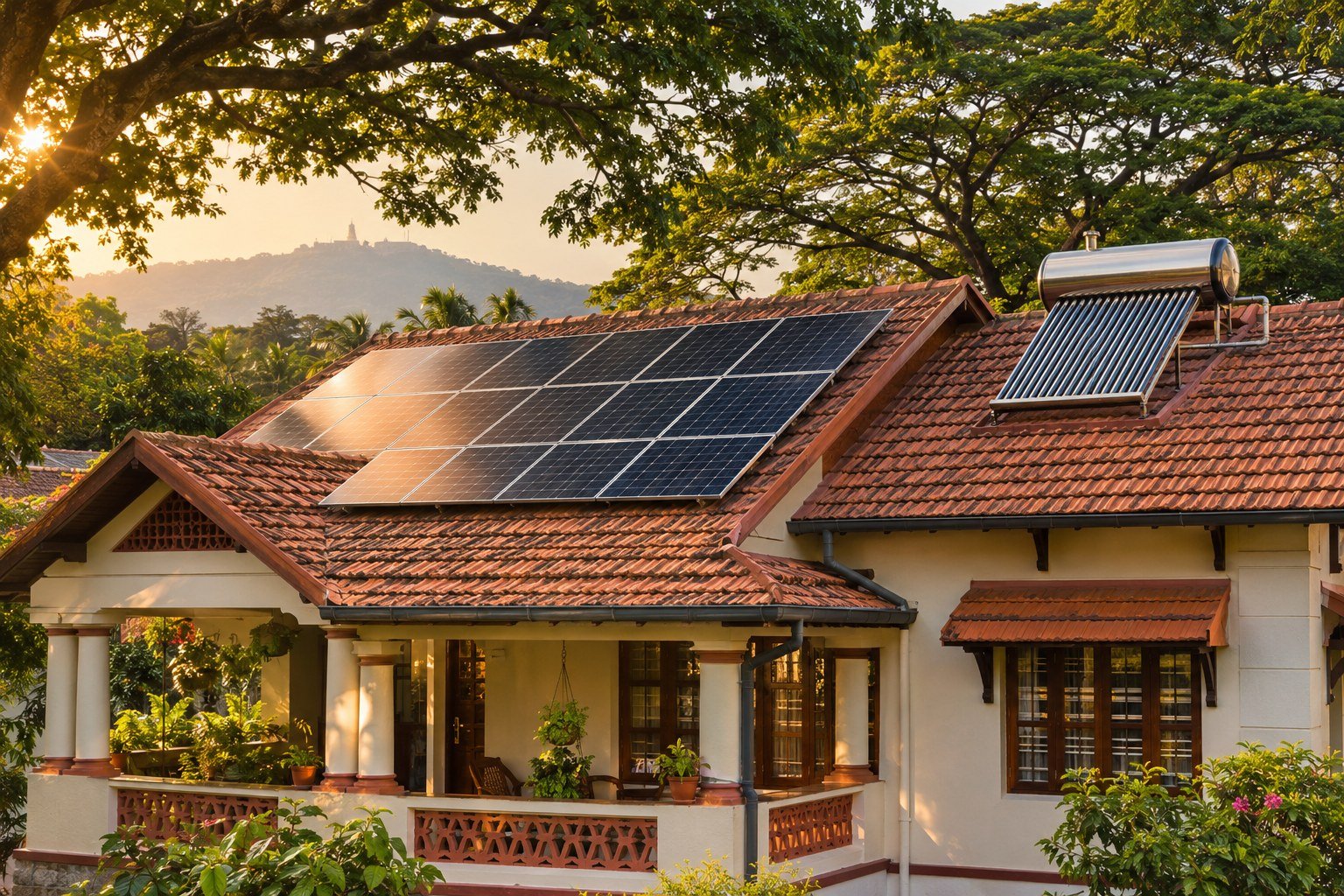
- Mandatory Rainwater Harvesting (RWH) & Solar Water Heater: For all plots measuring 30×40 ft (1,200 sq ft / 108 sq m) and above, installing an underground Rainwater Harvesting recharge pit or sump (minimum 5,000-to-8,000-litre capacity) and a roof Solar Water Heating system is strictly compulsory to receive your Completion Certificate (CC) / Occupancy Certificate (OC) and permanent CHESCOM electricity and Vani Vilas Water Works (MCC) connections.
- Height & Setback Vigilance: Mysuru enforces strict heritage-zone and airport-funnel height caps, typically restricting independent residential plots to Stilt/Ground + 2 Floors (up to 11.5 metres) while preserving street-facing garden setbacks for avenue trees.
Frequently Asked Questions (FAQs)
How much does it cost to build a house on a 30×40 plot in Mysore in 2026?
On a standard 30×40 ft (1,200 sq ft) plot in Mysuru, building a Ground + First Floor duplex with approximately 1,900 to 2,100 sq ft of built-up area costs between INR 43 Lakhs and INR 52 Lakhs for A-grade civil and finishing construction (at INR 2,250 to INR 2,500 per sq ft). Adding modular kitchen cabinets, wardrobes, solar water heating, compound wall, and borewell/sump brings the all-inclusive turnkey budget to approximately INR 52 Lakhs to INR 64 Lakhs.
What is the best time of year to start house construction in Mysore?
The optimal window to begin excavation and foundation concrete work in Mysuru is between November and February. Doing so ensures that your underground sump, foundation footings, plinth beam, and ground-floor slab are completed during dry weather before the pre-monsoon showers arrive in May, while the monsoon months (June to September) can be used for indoor plastering, electrical conduit work, and wood carpentry.
Should I choose a turnkey contractor or an independent architect plus labour contract in Mysore?
If you live outside Mysuru (in Bengaluru or abroad) or work full-time, hire an independent principal architect for design and quality audits alongside an itemized turnkey civil contractor with a fixed Bill of Quantities (BoQ). Avoid pure labour-only maistry contracts unless you or a trusted family member can visit the site daily to verify steel bar gauges, cement batching, and 14-day water curing.
Is red-oxide flooring durable for modern Mysore homes?
Yes, when laid over a damp-proof concrete sub-base by skilled traditional oxide masons and sealed with natural wax or a breathable matte sealer, red-oxide flooring lasts 40+ years and develops a deeper patina over time. Most contemporary Mysuru architects combine red-oxide or Kota stone in living rooms and verandahs with easy-maintenance vitrified or granite slabs in wet kitchen utility areas.
How We Researched & Field-Audited This Guide
At Planet Mysuru, we enforce zero third-party outsourcing and zero AI-generated guesswork. Every entry, route, tariff, and timing in this dossier was physically audited in Mysuru:
- Physical On-Site Inspection: Verified operating counters, gate queues, parking tariffs, and photography permissions.
- Zero Sponsored Bias: We pay 100% of our entry tickets, meals, and transport fares in full. No commercial brand can buy inclusion.
- Official Gazette Alignment: Cross-referenced with the Archaeological Survey of India (ASI), Mysuru District Administration, Palace Board, and KSRTC transit notifications.
Nikhil Furtado
Founder & Editor-in-ChiefTechnology architect and researcher with over 15 years documenting Mysuru's living heritage and regional trails. Nikhil oversees all on-ground investigative documentation and technical knowledge graph integration for planetmysuru.com.
Explore More Field Guides
Handpicked stories in Lifestyle